The Punta Martiño Lighthouse, located in the small and serene Lobos Island, near FuerteventuraThe lighthouse is a historically significant landmark in the Canary Islands. It has not only been a crucial element in maritime navigation safety, but has also played a significant role in the history and cultural development of the region. Throughout its long existence, it has witnessed changes in navigational technology, been home to generations of lighthouse keepers, and inspired artists and writers.
History and construction of the lighthouse
 The Punta Martiño Lighthouse, built in the second half of the 19th centuryThe Punta Martiño Lighthouse is a monument that encapsulates the rich maritime history of the Canary Islands. Its construction was a direct response to the growing need for safe navigation systems at a time when maritime traffic between the islands and the European continent was booming. Designed with a robust and functional architecture, typical of the era, the lighthouse was erected not only as a navigational tool but also as a symbol of progress and modernization. The materials used, primarily local stone and lime, were chosen for their durability and resistance to harsh marine conditions. The construction of the Punta Martiño Lighthouse was an ambitious project that required the collaboration of local engineers, architects, and workers, reflecting a period of great technological and cultural development in the Canary Islands.
The Age of Navigation and Its Importance
During the 18th and 19th centuries, shipping was the primary means of trade and communication between the Canary Islands and the rest of the world. In this era, ships relied heavily on lighthouses to navigate the treacherous waters of the Atlantic. The Punta Martiño Lighthouse, with its powerful and constant light, became a lifeline for sailors, significantly reducing the risks of shipwreck and loss of life and goods. This period marked a boom in maritime trade, with a notable increase in the import and export of products such as wine, textiles, and agricultural goods. The lighthouse not only facilitated trade but also played a crucial role in the safety and efficiency of transatlantic voyages, contributing significantly to the region's economic development.
Lighthouse triangulation as an innovative navigation system
The triangulation of the Punta Martiño, La Entallada, and Tostón lighthouses was a remarkable innovation in the history of maritime navigation. This system allowed ships to determine their exact position at sea, an invaluable tool in the pre-GPS era. The accuracy of this triangulation was crucial for safe navigation, especially in the notoriously treacherous waters around the Canary Islands. This method not only improved safety but also increased the efficiency of shipping routes, allowing vessels to optimize their trajectories and reduce travel time. The implementation of this triangulation system was a testament to human ingenuity and a milestone in the history of navigation.
Cultural and social impact
The Punta Martiño Lighthouse is a cultural and social icon of the Canary IslandsIts presence has profoundly influenced the lives of local communities throughout the years. The lighthouse has not only been a guardian for sailors but also a meeting point for the island's inhabitants, symbolizing the connection between land and sea. The stories and legends surrounding the lighthouse, many of them passed down orally, reflect the intimate relationship between the community and its maritime environment. The lighthouse has witnessed numerous historical events, from naval conflicts to shifts in trade routes, and has been a constant point of reference in the cultural and social evolution of the region. Its impact goes far beyond its practical function; it is a symbol of the identity and heritage of the Canary Islands.
How to get to the Punta Martiño Lighthouse by the best route
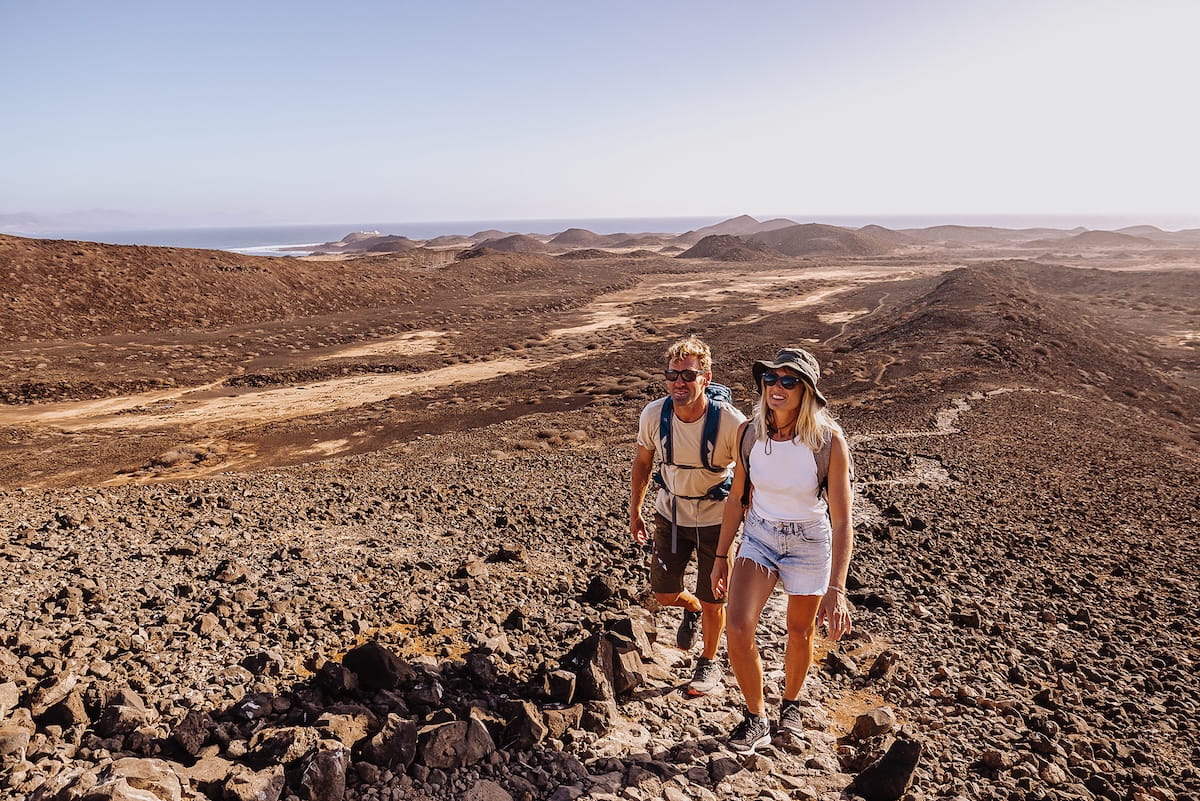
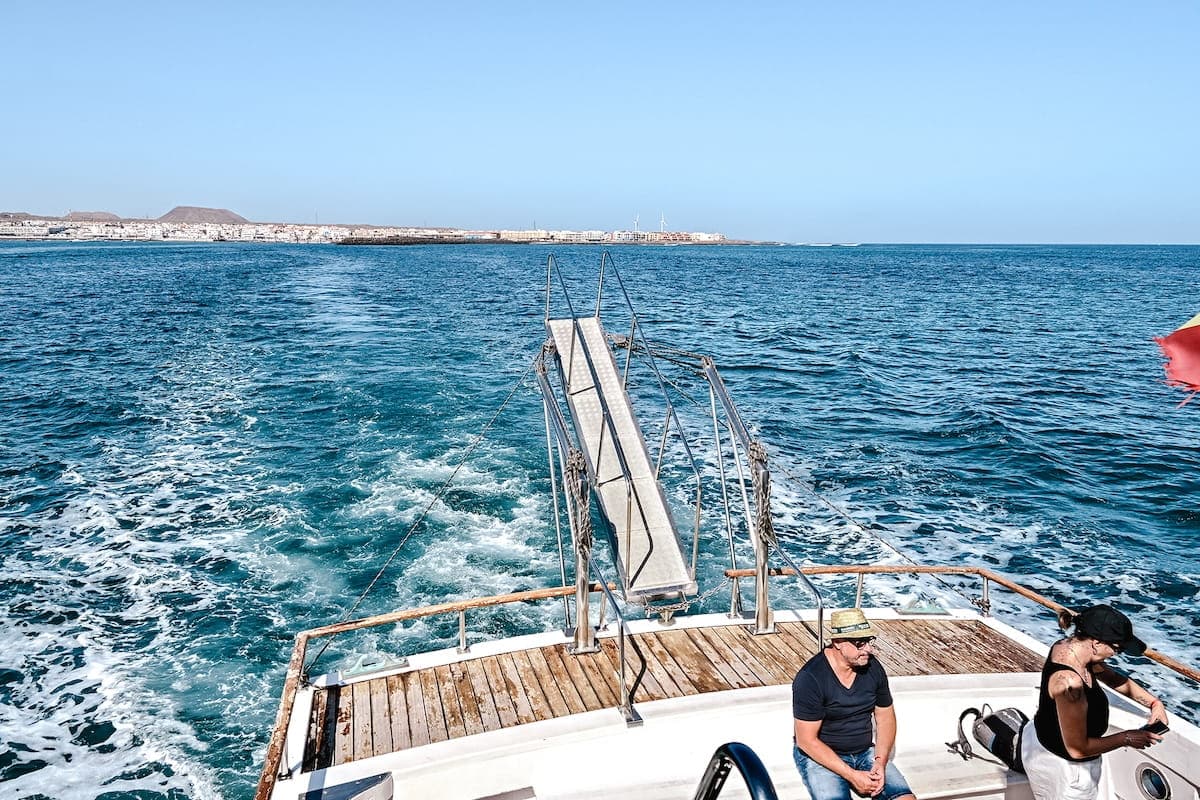
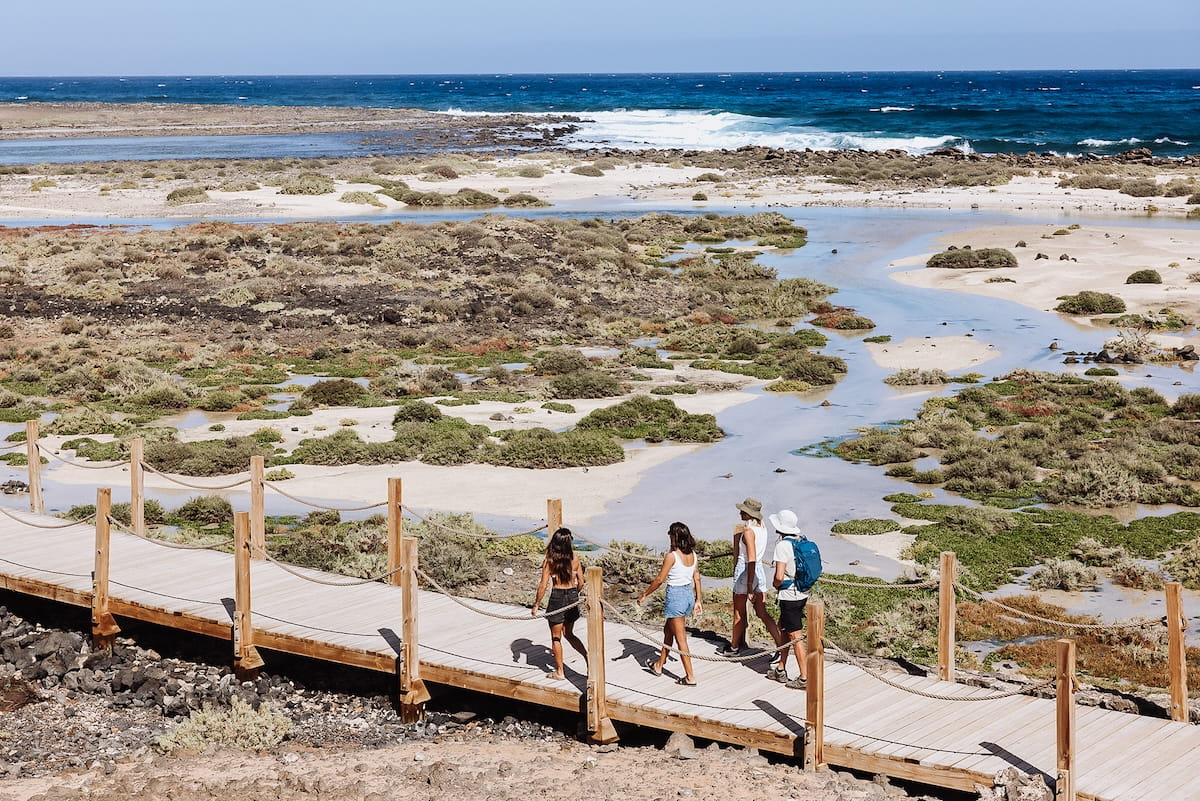
The best way to get to the Punta Martiño Lighthouse on Isla de Lobos in Fuerteventura is board the ferry to Isla de Lobos (Purchase of tickets) and once you disembark at El puertito Isla de Lobos, you have to head north, passing through Las Lagunitas, El Aljibe Grande and Playa de la Arena, below we attach the route through Google Maps, with a duration of approximately 50 minutes.
Conservation and tourism
The preservation of the Punta Martiño Lighthouse is fundamental to preserving not only an architectural landmark, but also a piece of the maritime history of the Canary Islands. In recent decades, there has been a concerted effort to maintain and restore the lighthouse, ensuring that its structure and machinery remain in good condition. These conservation efforts have been key to transforming the lighthouse into a tourist attraction. Visitors are drawn not only by its history and architectural beauty but also by the opportunity to experience panoramic views of the ocean and the island. The tourism generated by the lighthouse contributes significantly to the local economy, and its presence has stimulated the development of related activities, such as guided tours, historical exhibitions, and cultural events. The Punta Martiño Lighthouse is not just a monument of the past; it is a living resource that continues to enrich the cultural and economic life of the region.
The life of lighthouse keepers
The life of the lighthouse keepers at the Punta Martiño Lighthouse was a mixture of isolation, responsibility and a deep connection with the sea. These lighthouse keepers lived in austere conditions, often for long periods, away from their families. Their job was essential but challenging, as it required constant maintenance of the lighthouse and vigilance around the clock.Regardless of weather conditions, a lighthouse keeper's life was marked by a rigorous routine, focused on to ensure that the lighthouse light never went outDespite the hardships, many lighthouse keepers developed a deep bond with the lighthouse, seeing it as a silent companion and a constant witness to their lives. Their stories and experiences offer a fascinating glimpse into a way of life that has largely disappeared in the modern age.
Technology and evolution
Over the years, The Punta Martiño Lighthouse has undergone several technological upgrades, reflecting advances in lighthouse technology. Originally, the lighthouse used oil lamps, which required constant attention to maintain the light. Over time, these were replaced by more efficient lamps and, eventually, by electric technology, which significantly increased the light's intensity and reliability. These technological advancements not only improved the lighthouse's effectiveness as a navigational aid but also reduced the lighthouse keepers' workload. The lighthouse's eventual automation marked the end of an era, transforming the traditional role of the lighthouse keeper and ushering the lighthouse into the modern age of navigation.
The lighthouse in literature and art
The Punta Martiño Lighthouse has been a source of inspiration in literature and art, capturing the imagination of artists and writers throughout the years. Its imposing presence and connection to the sea have made the lighthouse a recurring theme in paintings, photographs, poems, and novels. Artists have portrayed the lighthouse in different light and seasons, capturing its ethereal beauty and its resilience against the elements. In literature, The lighthouse has often been symbolized as a place of reflection, solitude, and hope, reflecting human emotions in their relationship with the sea. These artistic and literary representations of the Punta Martiño Lighthouse not only celebrate its beauty and historical significance, but also contribute to its legend and mysticism, further enriching its cultural legacy.
The Punta Martiño Lighthouse is a vital testament to the maritime and cultural history of the Canary Islands. Its importance transcends its original function as a navigational aid, making it a point of historical, tourist, and educational interest. The preservation of this lighthouse and the growing interest in its history ensure that its value, both for the local community and for visitors from around the world, will remain alive and recognized for years to come.